

The PhD Program in Neuroscience aims to train researchers with advanced, up-to-date expertise for conducting independent, original, and innovative scientific research across multiple domains of neuroscience. The program provides a multidisciplinary foundation—spanning from molecular mechanisms to cognitive and clinical neuroscience—using both human and animal models.
Each student is mentored by one or more supervisors and participates actively in the work of research groups. Training and research activities are organized into three main thematic areas, encouraging cross-disciplinary approaches:
- Basic and Computational Neuroscience
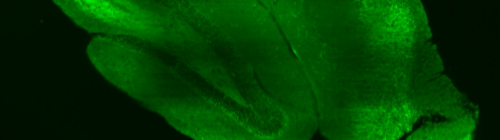
Focuses on the study of the central and peripheral nervous systems through neuroanatomy, molecular biology, neuropharmacology, electrophysiology, behavioral methods, computational modeling, and brain imaging. Research involves both human and animal models, including iPSCs and brain organoids, fostering interdisciplinary integration across biological, behavioral, and computational levels. - Clinical Neuroscience
Explores neurological and psychiatric disorders across the lifespan, with emphasis on genetic, epigenetic, and environmental risk factors. Techniques include electrophysiology, omics, eye-tracking, and brain imaging. Therapeutic interventions—such as non-invasive brain stimulation and psychosocial rehabilitation—are also studied as predictors of treatment response and efficacy. - Cognitive Neuroscience and Psychology
Investigates cognitive functions and their neural substrates using behavioral testing, neuroimaging, and psychophysiology in healthy individuals and clinical populations. Research topics include language, attention, executive functions, perception-action integration, social cognition, empathy, theory of mind, and emotion regulation.
Research topics often span multiple areas, applying integrated methodologies to address questions related to brain function in health and disease (e.g., Alzheimer’s, Parkinson’s, epilepsy, chronic pain, autism).
Career Opportunities
Graduates are well-prepared for careers in public and private research institutions, including universities, hospitals, and industry (R&D sectors), both nationally and internationally. Potential roles include:
- Basic Neuroscience: Biotechnologist, Medical or Pharmaceutical Biologist, Bioengineer, or Computational Neuroscientist in research, development, and consulting.
- Clinical Neuroscience: Clinical Researcher in Neurology, Psychiatry, Child Neuropsychiatry, or Psychiatric Rehabilitation, especially within healthcare systems and specialized research institutes.
- Cognitive Neuroscience and Psychology: Researcher in Psychology or Neuropsychology, with opportunities in theoretical/applied research, science communication, and knowledge transfer.
This program responds to the growing demand for highly qualified professionals in neuroscience research and its clinical and technological applications.
News
See all news >>
Basic and Computational Neuroscience
Clinical Neuroscience

Cognitive Neuroscience and Psychology